



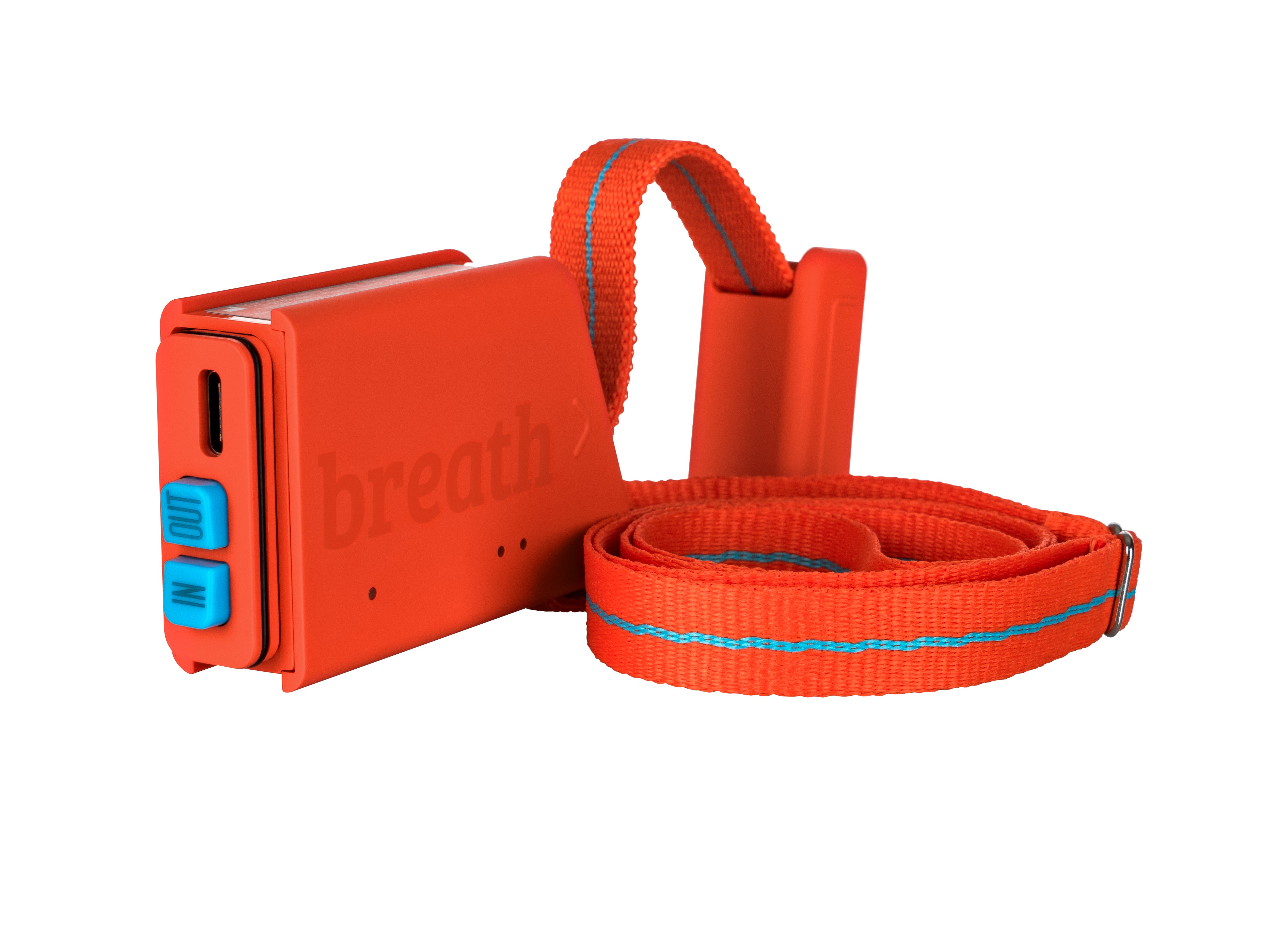
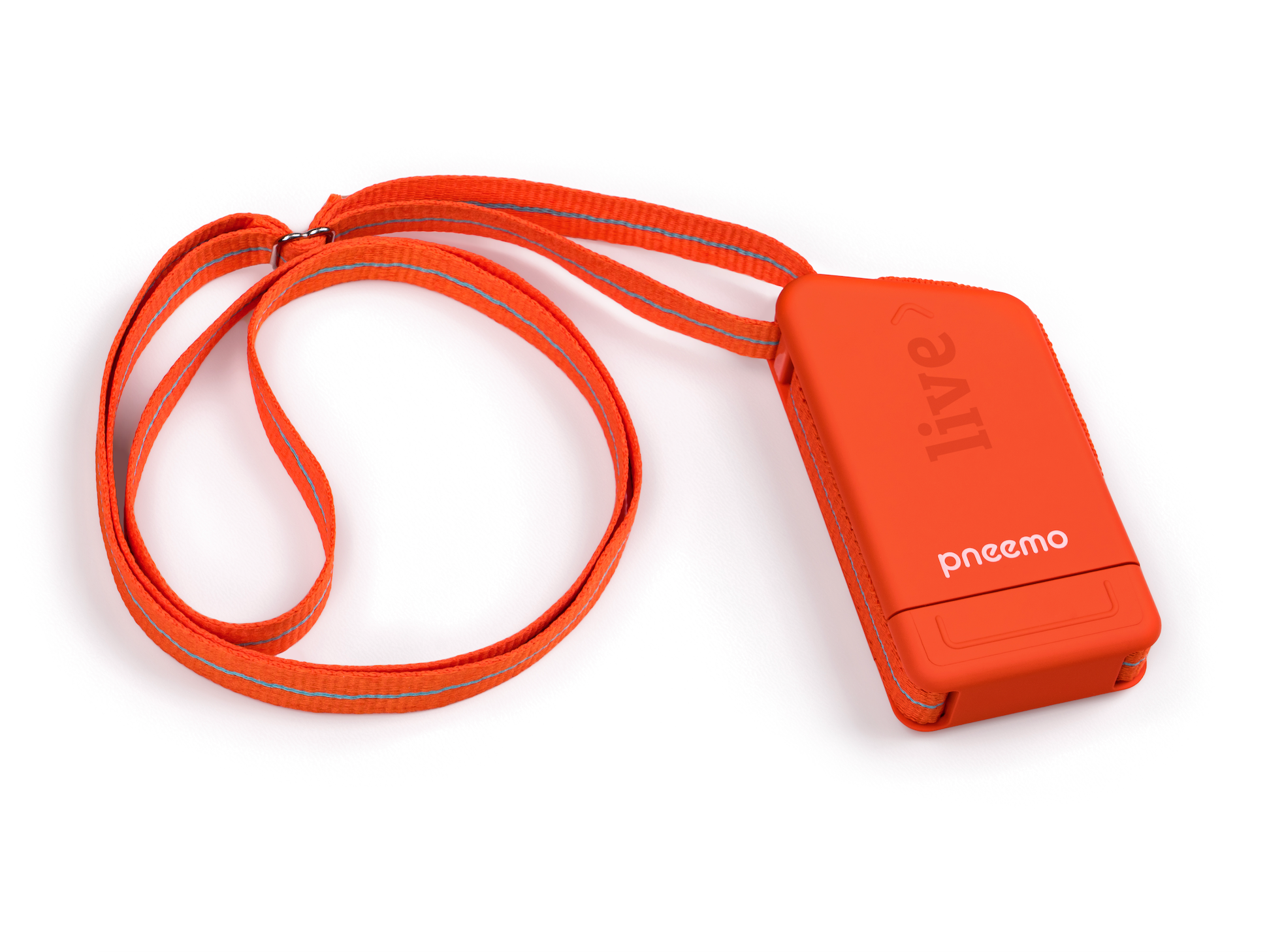
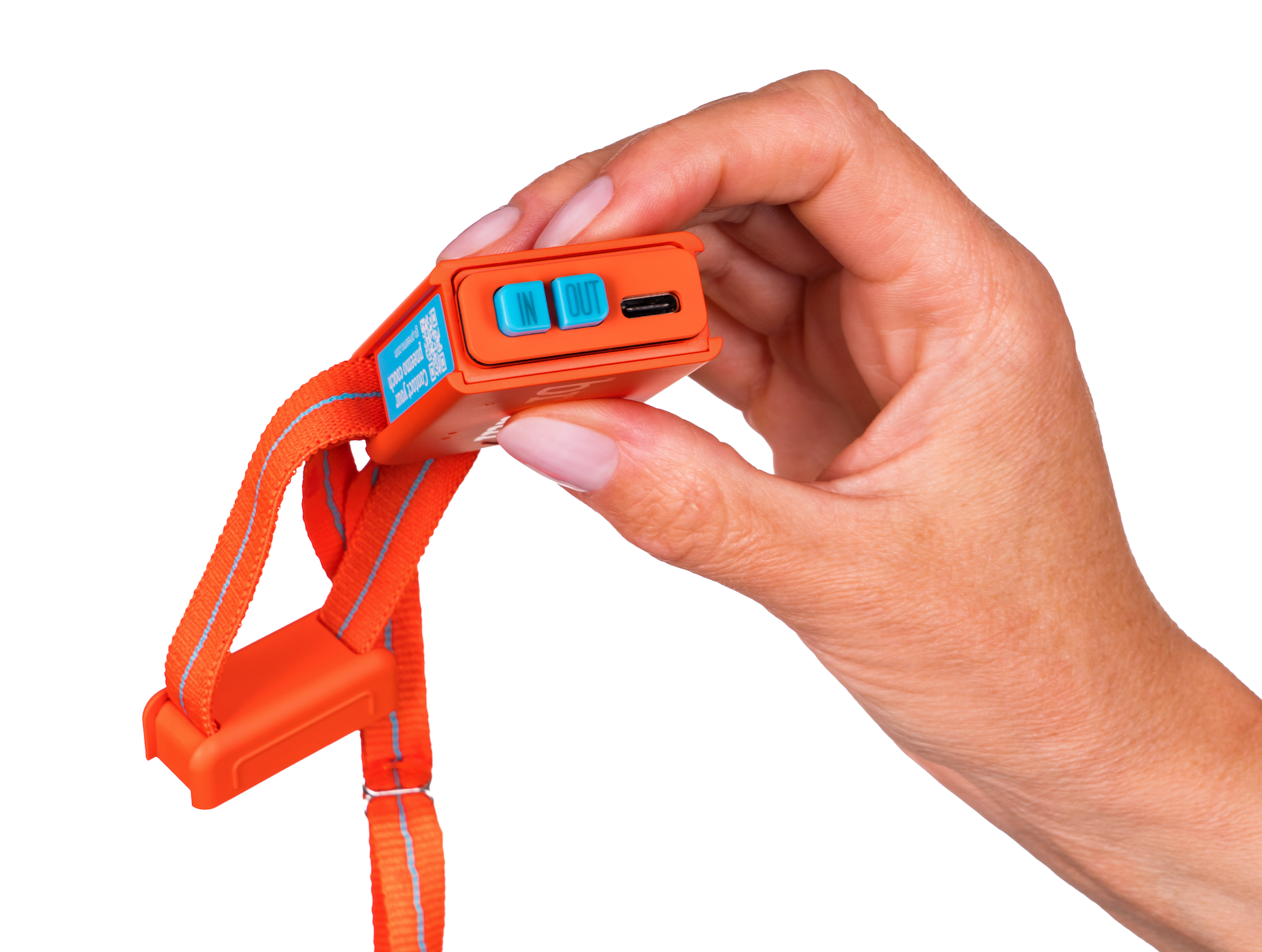
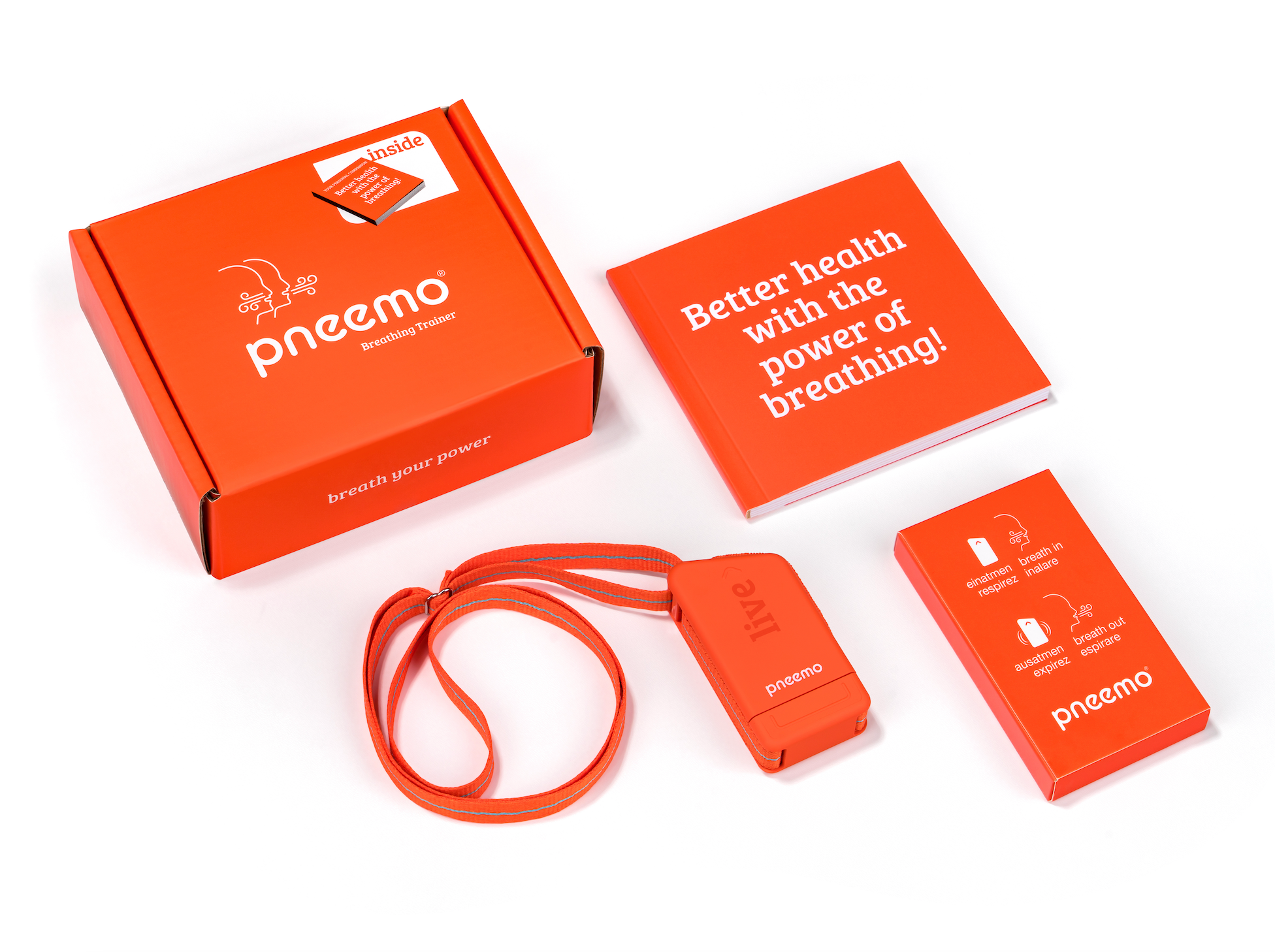
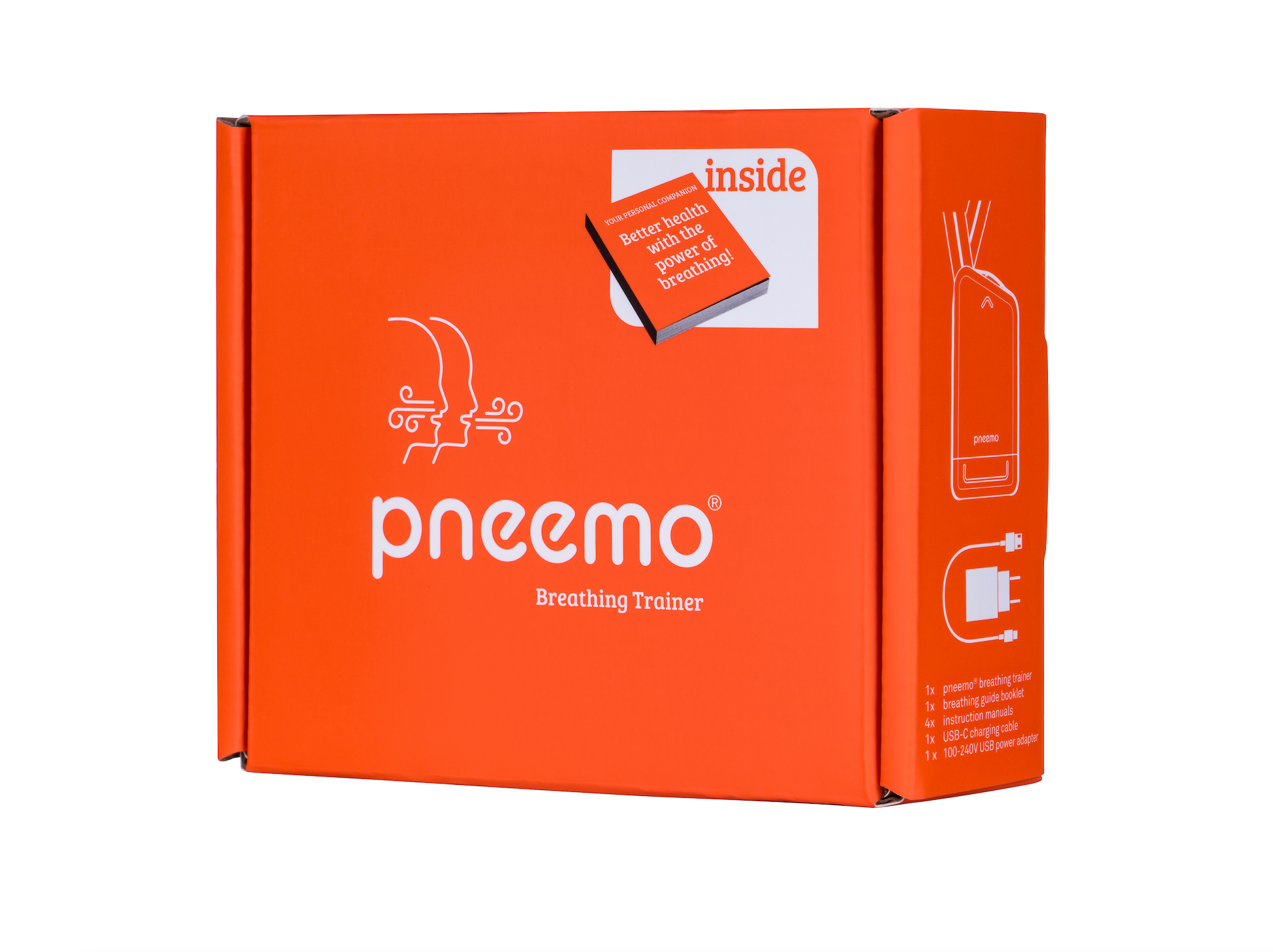
Pneemo 2 Atemtrainer
The Customizable Breathing Trainer for Performance, Physical Recovery, and Mental Wellbeing
Your breath. Your rhythm. Your wellbeing.
Designed like a true Formula 1 pit stop for both body and mind, Pneemo Pulse is far more than a simple breathing device — it's your personal ally to regain calm, focus, and vitality in just a few minutes, wherever you are.
Pneemo 2 Atemtrainer offers fully adjustable settings to meet a variety of goals:
- Reduce stress and anxiety during tense periods
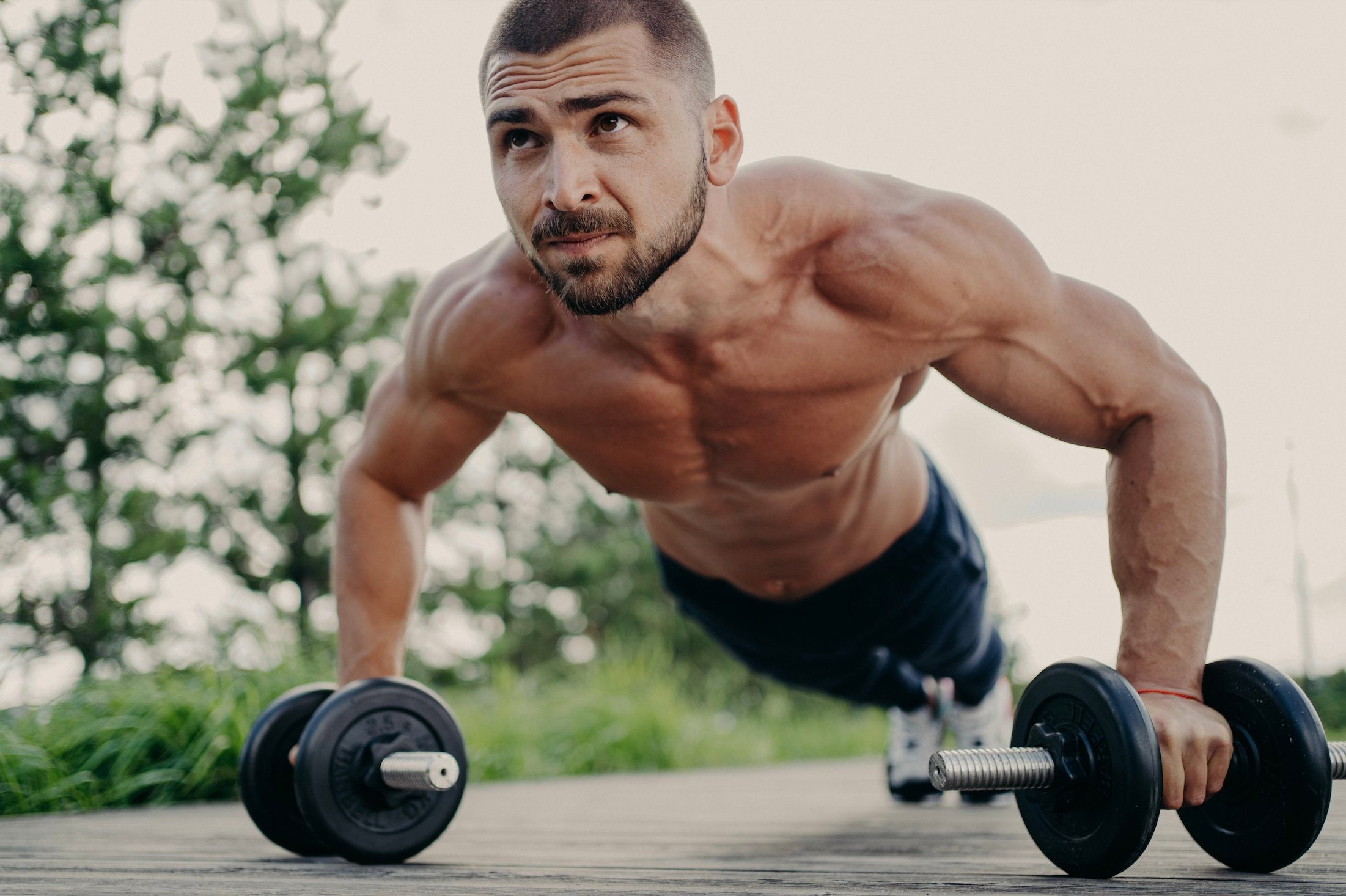
- Improve oxygenation to support endurance and recovery
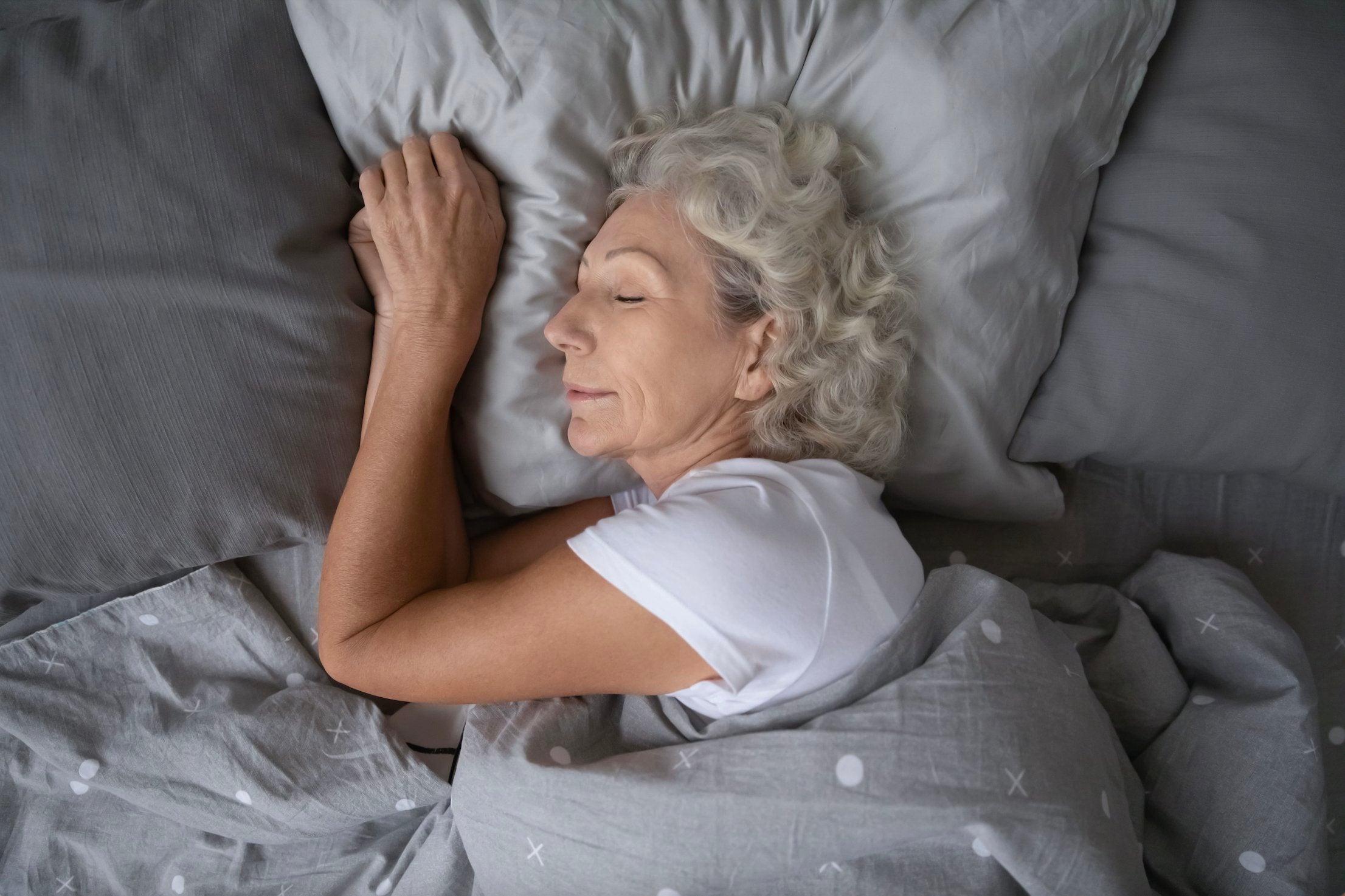
- Achieve deep relaxation for better sleep and optimal regeneration
- Enhance concentration with the Box Breathing mode used in elite sports and high-performance mental setting.
What makes Pneemo 2 Atemtrainer stand out:
Pneemo 2 Atemtrainer gives you the power to take back control — of your stress, your energy, your breath. Anytime. Effortlessly. Naturally.
Why choose Pneemo?
Our body is guided by two essential systems: the sympathetic nervous system, which stimulates action and alertness, and the parasympathetic nervous system, which promotes calm, recovery, and sleep.
By breathing slowly and mindfully, we restore balance between these two forces — as if shifting from a high-speed race to a peaceful walk in the forest.
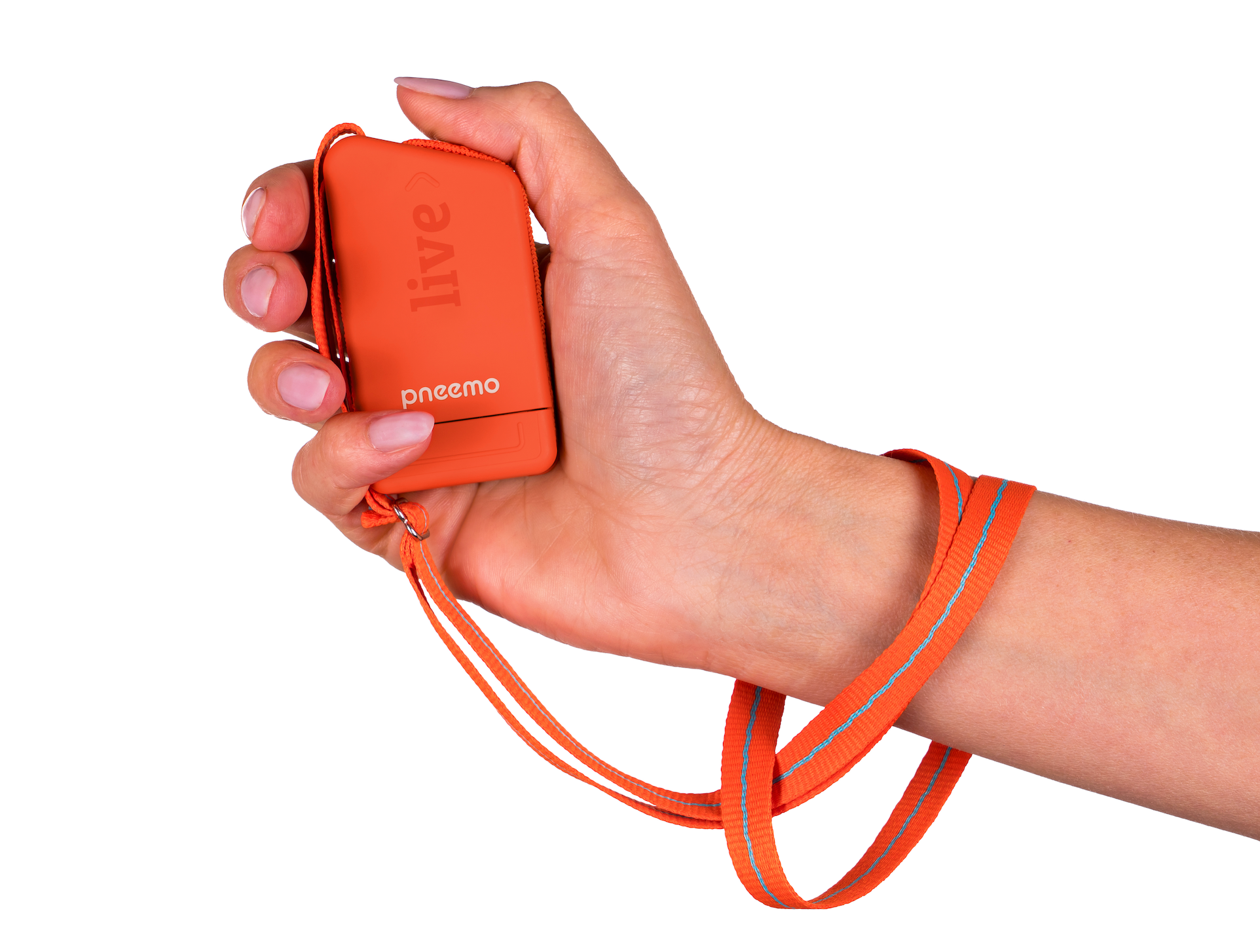
Pneemo® acts as an intuitive guide, helping your body activate its “relaxation mode”: its gentle vibrations synchronize your breathing to reduce stress, enhance focus, and restore a natural balance between tension and relaxation.
Choosing Pneemo as a device to regulate heart coherence offers numerous significant benefits for our health and well-being. By regulating heart coherence, Pneemo effectively helps reduce stress and anxiety, promoting a state of calm and relaxation. This stabilization of the heart rate also improves sleep quality, allowing for deeper and more restorative rest.
Moreover, maintaining optimal heart coherence with Pneemo can enhance both physical and cognitive performance. A balanced cardiovascular system and reduced stress levels lead to better concentration, improved responsiveness, and increased ability to handle daily challenges.



FAQs
What is heart coherence, simply explained?
Heart coherence is a breathing method that involves breathing slowly and regularly to help the body return to a state of calm. When you inhale, your heart rate naturally speeds up slightly; when you exhale, it slows down — this is completely normal. By adopting a steady and consistent rhythm, this natural mechanism can be enhanced, which may help you feel more balanced and grounded. The goal is not to “breathe more,” but to breathe more gently and more slowly.
Why is a slow rhythm (around 6 breaths per minute) often recommended?
For many people, this rhythm falls within a range where the cardiovascular and respiratory systems work particularly well together. It is often associated with greater stability and a more pronounced modulation of heart rate variability (HRV). However, this is not the same for everyone — some people may feel more comfortable slightly above or below this pace. Above all, it serves as a simple and effective guideline for everyday practice.
Why use a 4/6 rhythm (with a slightly longer exhale)?
Extending the exhalation slightly can help send a “calm down” signal to the body. Many people find this ratio more natural for releasing tension, especially when the mind feels restless. Important: a longer exhale does not mean blowing out forcefully, but breathing out slowly and gently. If you feel any discomfort, shorten the exhalation slightly or reduce the duration of the session.
Heart coherence vs. classic “anti-stress” breathing: what’s the difference?
“Anti-stress” breathing can be helpful, but it is often practiced without a precise rhythm. Heart coherence, on the other hand, focuses on a stable and sufficiently slow breathing pace to better support cardiorespiratory regulation. Pneemo acts as a simple guide, so you don’t have to count or concentrate intensely. As a result, it becomes easier to maintain the rhythm — even when you are stressed or tired.
Heart coherence and HRV (heart rate variability): what’s the connection?
HRV (heart rate variability) refers to the small variations in time between two heartbeats. Slow and steady breathing can enhance this natural fluctuation, which is often associated with states of recovery and calm — without being a medical diagnosis. HRV can vary depending on fatigue, stress levels, sleep quality, and overall context. In daily life, what matters most is the feeling of stability, relaxation, and the consistency of your practice.
How quickly can I feel a sense of calm when I’m stressed?
It depends on the individual and the situation, but according to user feedback, all Pneemo users report noticing an effect within 3 to 10 minutes. Slowing down and stabilizing your breathing acts as a signal to the body to shift into a calmer state. Sometimes the effect feels immediate; other times it may be more subtle. Consistency makes a difference — the more regularly you practice, the easier it becomes to access a state of calm.
What Pneemo routine should I use when I’m stressed right now (3–5 minutes)?
Start Pneemo in the 4/6 rhythm and aim for 3 minutes to begin with. Sit comfortably, relax your shoulders, and breathe gently — there’s no need to inhale forcefully. If your mind starts to wander, simply return to the signal: pause = inhale / vibration = exhale. If needed, extend the session to 5 minutes. Even a short practice can be enough to interrupt a rising wave of stress.
What routine should I use before a stressful event (presentation, meeting, exam)?
Do 3 to 5 minutes in the 4/6 rhythm right before the event. The goal is to stabilize your breathing and prevent escalation — such as shallow breathing, physical tension, or racing thoughts. The vibration guidance is practical because it doesn’t require looking at a screen. If you’re short on time, even 60 to 90 seconds can help — it’s better to keep it short and steady than long and forced.
Vagus nerve: what does it do, and what does it have to do with breathing?
The vagus nerve is part of the autonomic nervous system and plays a key role in the body’s “rest and recovery” mode. Slow, steady breathing — often with a slightly longer exhale — is associated for many people with a sense of relaxation and release. Pneemo does not medically “stimulate” the vagus nerve; instead, it helps you adopt a breathing rhythm that may support this shift toward calm. Think of it as a simple, repeatable training practice for your nervous system.
Guided breathing with Pneemo vs. a mobile app: what’s the difference?
An app can be helpful for learning, but it usually requires a screen, audio, and can introduce distractions. Pneemo guides you through vibrations — there’s no need to look at a screen or count, and it remains discreet. This often makes it easier when you’re already stressed or tired. Many people also appreciate the feel of a “dedicated device”: one clear action, one focused session — without notifications or digital interruptions.
Can heart coherence be combined with sports (warm-up / recovery)?
Yes, as part of a wellness routine. Before exercise, the Box Breathing mode (4-4-4-4) can help you refocus and stabilize your attention. After physical effort, the 4/6 rhythm can support a gradual return to a calmer state. Always stay within your comfort zone — if you’re very out of breath, wait a few minutes before starting a guided session. The goal is consistency, not performance.
Pneemo — a non-medicated solution to help you fall asleep more easily (5–10 minutes)?
Do a 5 to 10-minute session in the 4/6 rhythm in a calm environment (dim lights, screens turned off). Breathe gently — if you inhale too forcefully, you may feel more alert instead of relaxed. The goal is to slow down and create a sense of safety and steady rhythm. If you feel yourself drifting off to sleep, you can stop. Alternatively, Pneemo can continue the session for up to about 15 minutes if you let it run.
Why might I feel lightheaded or “strange” when breathing slowly?
The most common reason is breathing too forcefully or too deeply — taking in too much air — when the goal is simply to breathe more slowly. In heart coherence practice, breathing should remain light, quiet, and effortless. If you feel lightheaded, stop the session and breathe normally for 30–60 seconds. Then restart with a shorter (1–2 minute) and gentler session, or adjust the rhythm so it feels comfortable and natural.
They trusted us :


